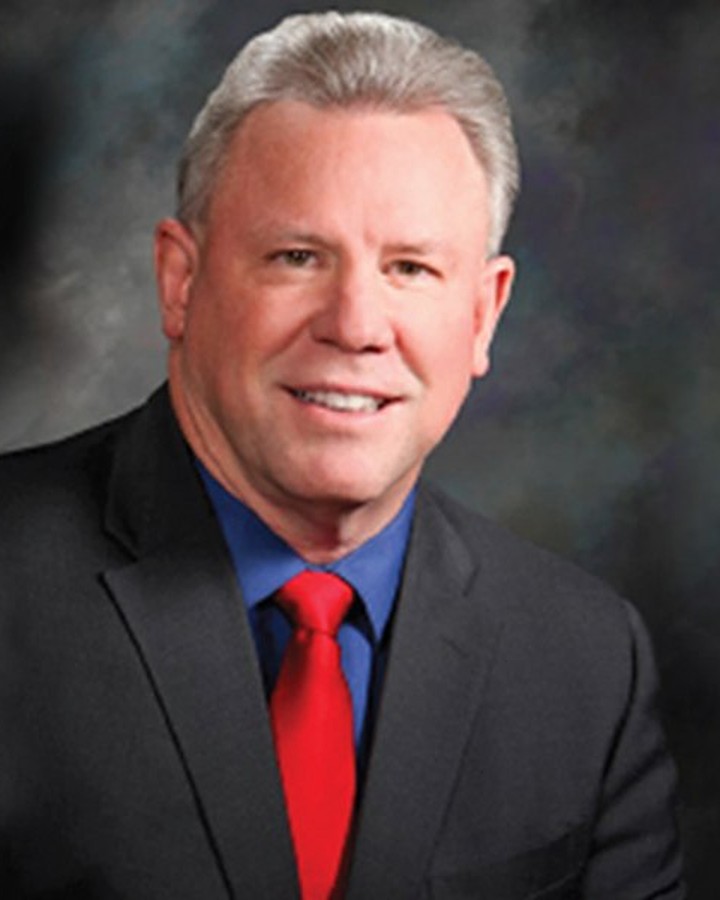
James D. Sharpe, CPA
I learned to program first, and this combination allows me insights that most of my colleagues don't have.
Two ways in
Tax, books and advisory from a CPA who has done the work — plus software written for the trade you are actually in, starting with fuel jobbers.
See what I do for businesses If you are a CPACalculators and industry applications — written by a CPA who codes, for the people doing the same work I do.
See what I do for CPAsWhat I do
The accounting work tells me what the software has to prove. The software makes the accounting work possible at a price a small operator can pay.
Returns, planning and the books behind them, for closely held businesses and the people who own them.
Counties, districts and the funds they answer for. I spent three years inside a county treasury and know where the money actually gets lost.
Advisory work. I do not perform attest engagements.
Generic accounting software is generic because it has to be. I write programs that assume the industry — its filings, its units, its margins.
Tools for CPAs
The system of quality management under SQMS Nos. 1 and 2, kept as a working file instead of a binder nobody opens.
Feed it the trial balance and it builds the workbook — lead schedules, groupings and the tie-outs.
Reads the statements, analyses what is in them, and tracks every confirmation out and back.
The risks a jobber actually carries — inventory that moves in price, fuel tax, tanks in the ground, credit extended to haulers.
Estimates to complete, over- and under-billings, retention, and the job that was profitable until the last change order.
Who actually reads a jobber’s statements, and why the footnotes carry the schedules they expect to find.
The surety reads a contractor’s statements differently from the bank. What each is looking for.
These run inside your portal account. Free downloads live on the software page. Everything for CPAs →
Industry software
Cardlock and remote sales generate more tax detail than any small office can key by hand. So we stopped keying it.
Sales tax recovery and amendments, filing automation and an aggregator that takes cardlock and remote-sale detail straight through to a return. Built for jobbers and the convenience stores attached to them.
Background
Governmental auditing became the centre of the work and stayed there through the 1980s.
With more than 2,000 hours of audit experience behind the signature.
Estimating software for heavy construction, written in partnership with Daniel Ontiveros. He bought out my interest in 1991, and the business that grew from it has been his and his successors' ever since.
The practice closed — the client base was placed with another CPA rather than left to fend for itself — and I went into industry. Production cost on one side of the ledger, inventory and sales on the other.
The books of a schools insurance group.
A division of Red Chamber.
June 1998 to March 2010, with the whole of the bottler's books — a route distribution business, with deliveries, inventory riding on trucks, per-unit pricing and driver settlements. Much the same shape as a fuel jobber.
Five months writing a system that documented every ingredient that went into the crackers and recorded each event in the production run. It met Costco's requirements.
Under Steven L. Harrah, CPA. The office moved off cash and checks onto card and check-scanning systems, put in a new tax voucher system, improved the tax collection system, and instituted summary judgment for unsecured taxes. Tax collections and the Office of Revenue Collection both improved.
Working with Ryan Rogers and Mike Howard, and building accounting programs for the private sector.
Contact
Uploading them to the portal keeps them off email servers. You sign in, drop the files, and they land in your account rather than in an inbox.